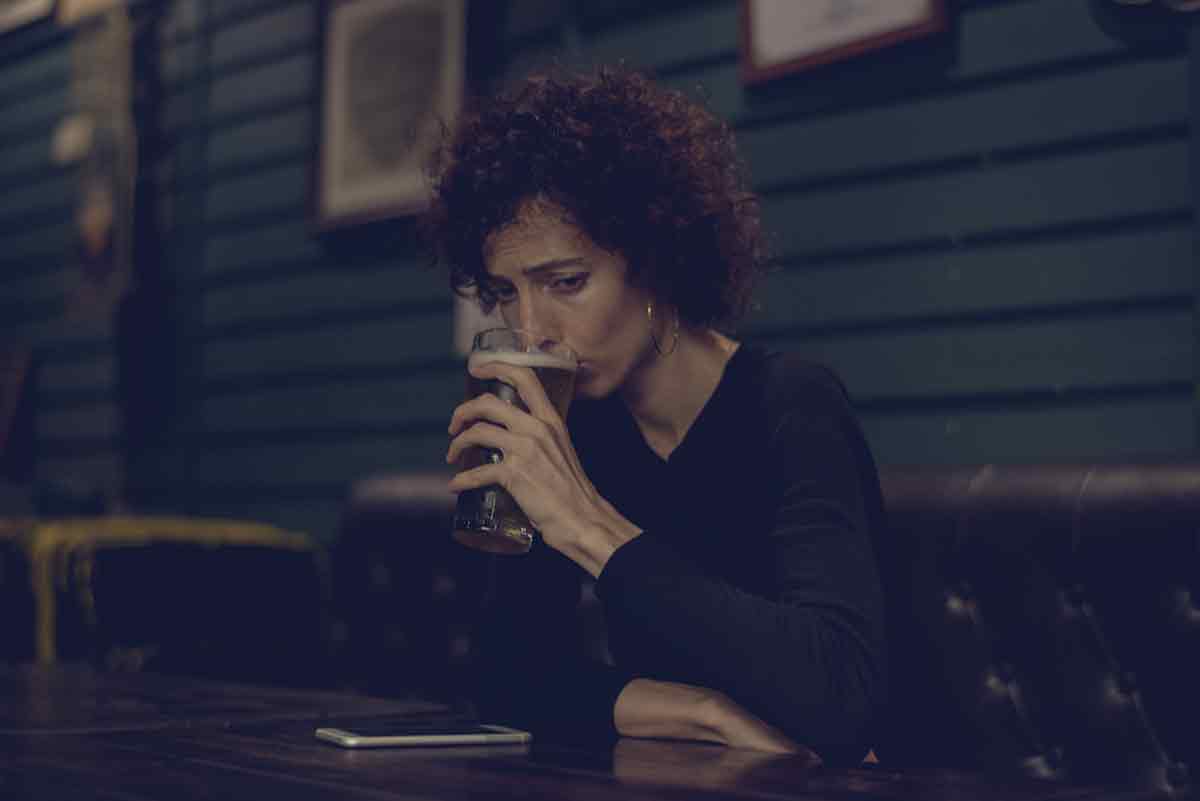
Alcohol, through the ages, has been known as the great elixir. Feeling stressed out? A stiff drink will fix that. Feeling low and depressed? Have a drink and forget your problems. And who among us hasn’t wanted a little drink after a particularly hard day at work? Since man first crushed grapes, we believed alcohol is a natural solution to any discomfort. We even believe that a glass of red wine a day is good for you. But today, science has a different take on the subject. Clinical tests prove that alcohol increases anxiety and depression instead of lessening them. And, even more frighteningly, studies conclude that ANY alcohol consumption can mean a risk for cancer and other diseases.
Alcohol is bad for your health?
A recent global study took a comprehensive look at the affects of alcohol on global populations and the results were surprising. They found that 1 in 10 deaths worldwide is caused by alcohol. These factors include alcohol-related cancers and cardiovascular diseases, infectious diseases like tuberculosis, and injuries and accidents resulting from intoxication. Violence, self-inflicted injury, and car accidents are included in this last group. Robyn Burton, researcher for the study, says alcohol is a “colossal global health issue.” Moreover, the final analysis of this study, which is the most controversial, is the fact that even light to moderate drinking impacts your risk of disease or death. Essentially, the study advocated that NO amount of alcohol is good for your health
How Does Alcohol Increase Anxiety?
Alcohol can appear to ease anxiety in the short term. It is a depressant, so it can make the body calm down. Respiration slows and the nervous system relaxes. However, the true effects of alcohol can be less evident and take some time to show up.
Alcohol abuse can lead to alcoholism
There is a fine line between heavy drinking or binge drinking and true alcoholism. If someone can have a few drinks every day and then stop completely for months or years, he or she is probably a heavy drinker. Likewise, a binge drinker may go out and drink very heavily for a few days and then be able to stop for months. What most people don’t know is there is an invisible line that we can cross into alcoholism. What is alcoholic drinking? At some point, we are unable to control how much we drink once we start. And, when we want to stay away from liquor, we have lost the ability to do so. It’s really that simple. When we have crossed into alcoholism, we need outside help to quit because we no longer have the power of choice. Addiction to alcohol opens up a whole range of anxiety-inducing problems as we try to manage our drinking and still operate in the world.
Alcohol can disturb your natural sleep patterns
Using alcohol to get to sleep can harm your sleep homeostasis, or the mechanism that regulates your sleep patterns. Also, consuming alcohol can keep you from sleeping, which affects mood and anxiety the next day. Not having enough sleep can make is feel exhausted, overwhelmed and irritable.
Oh, those anxiety hangovers
Headache, dizziness, shaking, heart palpitations…anyone who has had a hangover has felt these things. Some, if not all these ailments are actually combination of dehydration and alcohol withdrawal symptoms. When we are stressed out, what do we feel? Shaking, heart palpitations and perhaps dizziness. Coincidence? We think not.
Lower serotonin levels
Alcohol, being a depressant, lowers serotonin levels in out brain. Serotonin is the “feel good” hormone that makes us feel calm and happy. Even with short-term drinking, lower serotonin means higher anxiety.
Why did I do that last night?
You know that calm, relaxed feeling you have after that first drink or two? That’s because the alcohol is affecting the chemical balance in your brain. It is also affecting the parts of the brain that self-regulate your behavior. It is easing inhibitions and allowing you to do things that you normally wouldn’t do. This can seem fun at first. Karaoke and dancing are easier and more fun. As the night wears on, our behavior transforms from cute and bubbly to downright tragic. We get sloppy. We say things we regret. We do things we regret. And the next day we are fearful about our behavior and whom we hurt.
Persistent Panic
Consistent alcohol use and affect parts of the brain in an adverse way. The amygdala is an area in the brain, which regulates the “fight or flight” response. If we are in danger, the amygdala increases our respiration and heart rate so that we have the energy to escape a harmful situation (flight) or to take action to protect ourselves (fight). With regular alcohol use, the amygdala essentially gets “stuck”. It stays in an overactive state and doesn’t turn itself off. When this happens, we have a racing heart, heightened senses and have very rapid breathing. We are quite literally stuck in a panic attack 24 hours a day.
Wait, I said WHAT?
When “under the influence,” many of us experience short-term memory loss. With decreased inhibitions, we say and do things we wouldn’t, ordinarily. Because of memory loss, we can’t remember what happened the night before. The panic and worry over what happened last night make us anxious.
How Does Alcohol Cause Depression?
Lower Neurotransmitters (Serotonin and Norepinephrine)
Neurotransmitters like serotonin and norepinephrine regulate our mood, make us feel calm and happy. Alcohol affects the transmission and absorption of these chemicals and we feel bad, sad and depressed. Ever heard the phrase “crying in your beer?” That happens when the initial euphoria wears off and we experience hat is really happening in our brains. Over continues alcohol use, the brain loses the ability to properly regulate these chemicals and we feel down and depressed all the time.
Difficulty Sleeping
Alcohol use affects our sleeping patterns in two ways. We can’t fall asleep (insomnia) or we can’t stay asleep (hypersomnia). If the body doesn’t get sleep, it can’t repair itself. The neurotransmitters production stays out of whack and we feel exhausted and unhappy.
Less Folic Acid
Alcohol depletes the body’s supply of folate, which is a B vitamin. The synthetic form in vitamins is called folic acid. Folic acid has been proven to help a myriad of ailments including anemia, liver disease, Alzheimer’s, nerve pain, muscle pain and birth defects. Studies have found that 33% of people who have clinical depression also have low levels of folate. If alcohol lowers the body’s reserve of this vital nutrient, depression can result.
Pituitary Overload
Alcohol increases the production and absorption of corticotropins, also called “stress hormones.” Corticotropins are released by the pituitary gland and help us respond to stressful situations. When we have too much, however, depressive and anxiety disorders.
Fatigue
After a period of drinking, most people feel very tired. This could be cause by two factors: the body’s attempts to recover after the initial affects of drinking and disrupted sleep. As we talked about before, alcohol increases the activity of the central nervous system at first. Our respiration gets faster, our heart beats faster, and we are full of energy. Then, the central nervous system becomes depressed, making us feel tired. The next day, the body is trying to heal after being tossed out of sync and we feel fatigued. Alcohol also disrupts our sleeping REM cycles so that we cannot get the restorative sleep we need. Fatigue leads to listlessness and emotional lows[/vc_column_text][vc_column_text]So, we look to alcohol to ease our way in life, but in reality, it is making things much worse. The physiological affects of alcohol spell trouble for anyone seeking overall health, longevity, and emotional balance. Alcohol makes our bodies under-produce the hormones and nutrients necessary for wellbeing and happiness. It also over-produces the hormones that we use for stress response, which lead to generalized anxiety and unease. Disrupted sleep compounds all these issues. The elixir we have been seeking can indeed become a far worse problem.
Because alcohol is encouraged by our culture, we get the idea that it isn’t dangerous. However, alcohol is the most potent and most toxic of the legal psychoactive drugs.
BEVERLY A. POTTER & SEBASTIAN ORFALI, Brain Boosters
Resources:
https://www.ncbi.nlm.nih.gov/pmc/articles/PMC1810582/
https://www.cosmopolitan.com/uk/body/health/a15921840/how-alcohol-affects-anxiety/
https://www.ncbi.nlm.nih.gov/pubmed/11337099
https://www.thrillist.com/health/nation/why-am-i-so-tired-all-the-time-fatigue-symptoms#
https://www.cnn.com/2018/08/23/health/global-alcohol-study/index.html